


Selling Commercial Property: From Valuation to Closing
Learn how to sell commercial property in Ottawa, from valuation and documents to marketing, buyer due diligence, costs, negotiation, and closing with more
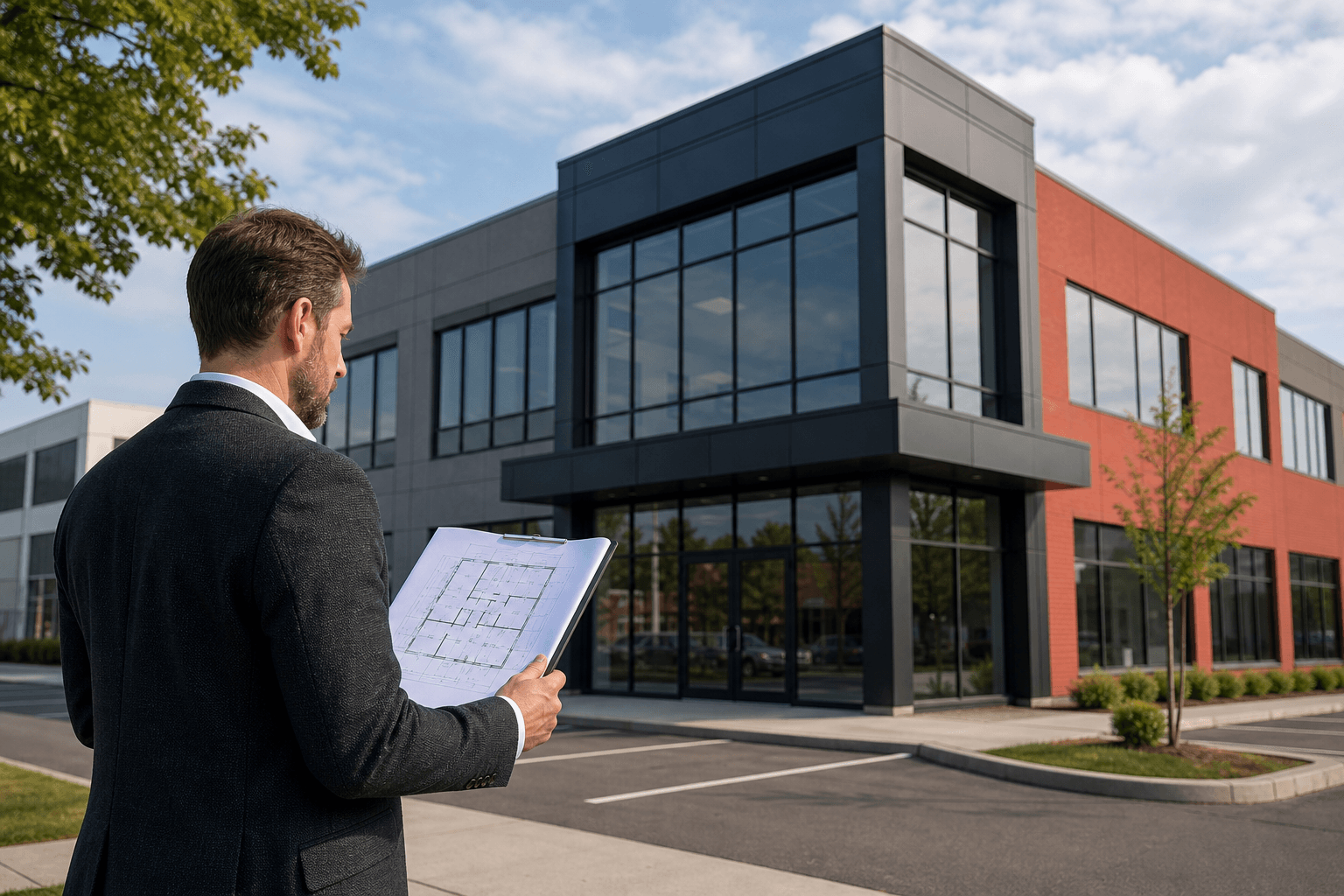
Selling commercial property starts with a property-specific valuation and a realistic net-proceeds estimate, not an asking price alone. Before marketing, prepare the leases, income records, title and zoning information, building records, and disclosures that buyers and their advisers will review. The sale then moves through positioning, qualified-buyer outreach, negotiation, due diligence, agreement finalization, and closing. Related reading: Commercial leasing.
This roadmap is for Ottawa owners of industrial, retail, office, mixed-use, income-producing, vacant, and owner-occupied properties. It also separates selling a property from selling the business operating inside it, because those are related transactions with different assets, documents, and tax questions.
Selling commercial property starts with the owner’s decision, not the listing
Before choosing a listing date, define what the sale must accomplish. You may want to release equity, retire debt, exit an investment, relocate a business, sell an operating property, or transfer both a building and a business. Each objective changes the valuation work, marketing message, timing, and acceptable offer terms.
Write down four starting points:
- the minimum practical net proceeds you need;
- whether you need the property sold by a particular date;
- whether tenants or your own business will remain during marketing and after closing; and
- which risks you are prepared to resolve before listing and which you will disclose to buyers.
Sagar Shah Real Estate provides Ottawa commercial property analysis, valuation, marketing, buyer outreach, offer negotiation, and deal management. The business describes its approach as combining real estate expertise with a technical or engineering perspective, which is relevant when a property’s value depends on systems, layout, operational requirements, or future use.
Choose the valuation approach before setting an asking price

A commercial property valuation should match the property and the decision you are making. A suggested value range can inform pricing, but it does not guarantee a sale price, financing approval, tax result, or investment return.
Before setting a price, review commercial property analysis that considers permitted use, zoning, building systems, operations, occupancy, condition, improvements, repairs, and investment potential.
| Valuation lens | Most useful when | Questions to ask |
|---|---|---|
| Comparable sales | There are sufficiently similar recent transactions. | How similar are the properties in use, size, condition, location, income, and timing? What adjustments were made? |
| Income-based analysis | The property produces rent or other dependable operating income. | Are the leases, vacancies, expenses, recoveries, and future income assumptions complete and supportable? |
| Land or development potential | Future use, redevelopment, expansion, or permitted density affects buyer interest. | What use is permitted today, and which approvals or costs would a future use require? |
| Replacement or building-cost considerations | Physical improvements, systems, or specialized construction materially affect value. | What condition, remaining useful life, deferred maintenance, and functional limitations should be reflected? |
A comparative market analysis should identify relevant properties, transaction information, differences, adjustments, market context, and a suggested value or range. Ask which valuation date applies, which assumptions are uncertain, and how the result changes if the property is vacant, occupied, owner-used, or subject to a particular lease.
Keep four numbers separate: the asking price is your market-facing position, the suggested value range is an analytical estimate, the eventual sale price is negotiated, and your net proceeds are what remains after debt and transaction costs. Confusing those numbers is one of the easiest ways to approve a sale that does not meet your objective.
Pre-listing readiness: what to fix, verify, and document
A property is ready for market when a buyer can understand what it is, how it operates, what rights come with it, and which risks still require investigation. You do not need to eliminate every imperfection, but you should know the issue, document it accurately, and decide whether to repair, price, disclose, or negotiate around it.
Commercial seller readiness scorecard
| Area | Ready means you have | If incomplete |
|---|---|---|
| Property facts | Accurate address, area, legal description, use, parking, access, improvements, and known limitations. | Confirm measurements and describe the property without overstating its capacity or permitted use. |
| Title and site | Available title information, survey or site plan, easements, access rights, and financing registrations. | Ask the lawyer what must be verified before making representations to buyers. |
| Zoning and permits | Current use, permitted use, relevant permits, approvals, and known compliance questions. | Obtain appropriate zoning or municipal guidance before marketing a future use as a certainty. |
| Income and tenants | Current leases, amendments, rent roll, arrears, deposits, renewals, vacancies, and operating statements. | Reconcile records and identify tenant matters that could affect income or possession. |
| Building condition | Known repairs, renovations, warranties, service contracts, maintenance history, and material system information. | Prioritize issues that affect safety, operations, insurance, financing, or buyer confidence. |
| Environmental and technical records | Available environmental, structural, mechanical, electrical, HVAC, plumbing, and building records. | Ask the appropriate consultant whether further investigation is warranted. |
| Financing and taxes | Loan balance, discharge requirements, lender conditions, tax records, and closing adjustments to discuss. | Obtain current figures before relying on a net-proceeds estimate. |
Commercial services may include review of electrical systems, HVAC, plumbing, structural integrity, space utilization, operating costs, expansion possibilities, zoning, functionality, and long-term value. A property inspection with infrastructure insight can help organize technical questions, but it does not replace advice from a qualified building professional, engineer, environmental consultant, lawyer, or zoning professional where those specialists are required.
Ontario sellers may be asked to provide information about known defects, renovations, and other pertinent matters. RECO explains that property information statements can help identify information relevant to selling and disclosures, so do not conceal or casually describe a material issue simply because it has not yet caused a problem. RECO’s seller information guidance explains this responsibility in more detail.
Match the sale plan to the property type and occupancy

The biggest commercial real estate problem is rarely just a low asking price. It is often a mismatch between the property’s use, its records, its buyer audience, and the story being presented.
| Property profile | What buyers usually need to understand | Preparation priority |
|---|---|---|
| Industrial or warehouse | Access, loading, clear height, systems, yard or parking, permitted operations, and expansion potential. | Verify measurements, use permissions, equipment condition, operating costs, and site functionality. |
| Retail | Visibility, access, parking, customer flow, surrounding uses, lease terms, and revenue durability. | Present customer-facing strengths and reconcile leases, expenses, signage, and permitted use. |
| Office | Layout, occupancy, building systems, parking, accessibility, lease profile, and adaptability. | Document floor plans, improvements, vacancies, service costs, and reconfiguration issues. |
| Mixed-use | Separate residential and commercial uses, income streams, rules, systems, and expense allocation. | Organize records by use and identify zoning, lease, maintenance, and disclosure distinctions. |
| Income-producing investment | Rent roll, leases, collections, expenses, vacancies, capital needs, and sustainable income. | Build a clear financial package and explain unusual income or one-time expenses. |
| Vacant land or development property | Access, services, zoning, environmental conditions, development potential, and approval risk. | Separate current permitted use from possible future use and document assumptions. |
| Owner-occupied property | Business operations, relocation timing, vacant possession, equipment, and the value of the real property alone. | Decide whether the sale includes business assets and prepare a realistic transition plan. |
Occupied, vacant, or owner-occupied?
Selling an occupied property can preserve income and demonstrate operating performance, but buyers will need lease access, tenant records, showing procedures, and a clear explanation of what transfers. Communicate with tenants carefully and avoid promising vacant possession unless the lease and legal advice support that outcome.
A vacant property may offer simpler access and possession, but it can remove current income and make condition, security, utilities, insurance, and carrying costs more prominent. An owner-occupied property requires a separate decision about whether the business is relocating, leasing back space, selling its assets, or being sold alongside the real estate.
Build a commercial marketing package buyers can evaluate

The best way to market commercial property is to present a credible operating or investment opportunity to the right buyer groups, not simply to publish an address and photographs. The campaign should explain who the property suits, what evidence supports that fit, and which matters remain subject to due diligence.
A practical campaign sequence
- Define the buyer groups. Consider owner-users, investors, operators, developers, adjacent owners, or businesses seeking a particular configuration.
- Position the opportunity. Describe use, access, systems, income, flexibility, expansion potential, and constraints factually.
- Assemble the information package. Include a property summary, site and floor plans where available, photographs, permitted-use information, lease summary, rent roll, operating information, and documents available for qualified review.
- Protect sensitive information. Decide what can be public, what requires a confidentiality agreement, and when detailed tenant or financial records will be released.
- Reach the market. Use suitable public exposure, direct outreach, and professional networks according to the property, privacy needs, and buyer profile.
- Manage tours and inquiries. Record who requests information, whether the proposed use fits, what documents were shared, and which questions remain open.
- Evaluate quality, not just volume. Assess property fit, financing capacity, intended use, timing, conditions, and ability to complete due diligence.
Commercial seller representation should cover property analysis, valuation, positioning, marketing materials, buyer outreach, inquiry management, offer comparison, negotiation, and transaction coordination. Sagar Shah Real Estate states that its commercial service supports property analysis and valuation, professional marketing, investor and buyer outreach, strategic offer negotiation, and deal management. That describes a service capability, not a promise of a particular buyer, price, or closing result.
Estimate selling costs and net proceeds before you accept an offer
There is no reliable single answer to how much it costs to sell a commercial property without knowing the property, agreement, financing, tax position, preparation needs, and professional services involved. Build the estimate as a worksheet and replace each placeholder with a current, property-specific figure.
| Net-proceeds line | What to include |
|---|---|
| Gross sale price | The proposed price before deductions and closing adjustments. |
| Less representation compensation | Compensation and applicable taxes set out in the representation or listing agreement. |
| Less legal and closing costs | Commercial real estate legal work, document review, registrations, and closing coordination. |
| Less loan and financing costs | Loan discharge amounts, penalties, payout administration, and lender-related costs where applicable. |
| Less preparation and reports | Repairs, plans, technical reviews, environmental work, building reports, or other selected preparation. |
| Less tax and adjustments | Tax consequences and closing adjustments identified with qualified advisers. |
| Estimated net proceeds | The amount remaining after confirmed or estimated deductions. |
Commercial real property sales are generally taxable supplies under Canada’s GST/HST rules, subject to the facts and applicable exceptions. Discuss the treatment with a qualified tax adviser rather than inserting a generic tax percentage into the worksheet. The Canada Revenue Agency’s commercial real property guidance outlines the general distinction.
Tax treatment can affect the amount you retain from a commercial property sale. Have a qualified tax adviser determine the applicable treatment for your transaction before accepting an offer or allocating the expected proceeds.
A property sale is not automatically a business sale. A business transaction may include real property, equipment, inventory, and intangible assets such as goodwill, with GST/HST treatment that can depend on statutory conditions and a joint election. The CRA’s guidance on selling a business or part of a business explains why the asset mix matters.
What commercial buyers will examine during due diligence
Commercial buyers will test whether the property can support the proposed use, income, financing, and long-term plan. Incomplete information can create delay, additional conditions, renegotiation, or a request for stronger contractual protection.
Seller-side document checklist
- title information, surveys, site plans, easements, access rights, and financing details;
- leases, amendments, options, assignments, deposits, arrears, renewals, tenant correspondence, and a current rent roll;
- operating statements, utility records, tax bills, insurance information, service contracts, and capital expenditure history;
- zoning information, permits, approvals, licences, building plans, and records relevant to the current or proposed use;
- inspection, environmental, structural, mechanical, electrical, HVAC, plumbing, or other technical reports available for review;
- warranties, maintenance records, renovation details, contractor information, and known defects or unfinished work; and
- equipment, inventory, goodwill, or other business assets if the transaction includes more than the real property.
Buyers may also examine building configuration, access, operating costs, environmental concerns, future potential, and whether income is durable. Requirements for reports, approvals, lease certificates, and disclosures depend on the property, contract, financing, tenants, and jurisdiction.
Commercial transactions carry meaningful risks for self-represented parties who lack the knowledge or professional support needed to navigate them. RECO’s commercial information guide explains those risks. A representative can coordinate the commercial process, but legal, tax, engineering, environmental, and zoning conclusions belong with the appropriate qualified professional.
From offer to closing: coordinate the professionals and conditions
After offers arrive, compare more than price. Review deposit, financing conditions, due-diligence access, closing date, possession, lease treatment, representations, included assets, liability allocation, and the buyer’s ability to complete the transaction.
Who handles which decision?
- Commercial real estate representative: market positioning, buyer outreach, property information, offer comparison, negotiation, and transaction coordination within the representation agreement.
- Real estate lawyer: agreement language, title, registrations, closing obligations, representations, lease provisions, and legal risk.
- Accountant or tax adviser: income-tax, capital-gains, GST/HST, ownership-structure, and asset-allocation questions.
- Lender: loan payout, discharge requirements, penalties, security releases, and financing conditions.
- Appraiser or valuation professional: an independent valuation when the decision requires one beyond a market analysis.
- Environmental or building professional: technical investigation, condition, environmental risk, systems, and repair implications.
- Zoning or municipal professional: permitted use, approvals, development questions, and municipal requirements.
Once an agreement is accepted, provide access for agreed reviews, answer document requests consistently, track conditions and deadlines, and direct legal or tax questions to the appropriate adviser. Ontario’s Real Estate and Business Brokers Act, 2002 governs registration requirements for trading in real estate, while commercial tax and closing treatment remains fact-specific. A lawyer should review the agreement and closing structure for your transaction.
A practical next step for an Ottawa commercial property sale
Start with one folder containing your property facts, leases, rent roll, operating records, title and site documents, zoning information, building records, financing details, and known issues. Then write your sale objective, request a property-specific valuation and net-proceeds discussion, and identify the legal, tax, technical, or zoning questions that need specialist review before you choose a listing strategy.
For Ottawa owners considering a commercial sale, Sagar Shah Real Estate can discuss commercial property seller representation, including valuation, positioning, buyer outreach, negotiation, and transaction support.
Ready to discuss your real estate goals?
Get practical, personalized guidance for your next move in Ottawa.
Book a consultation